

The Forgotten Kitchen Secret: Why Clay Pots Make Food Tastier
Discover why clay pots have remained a part of traditional Indian kitchens. Explore how slow cooking influences flavour, texture and food preparation, along with practical tips for using earthen cookware safely.
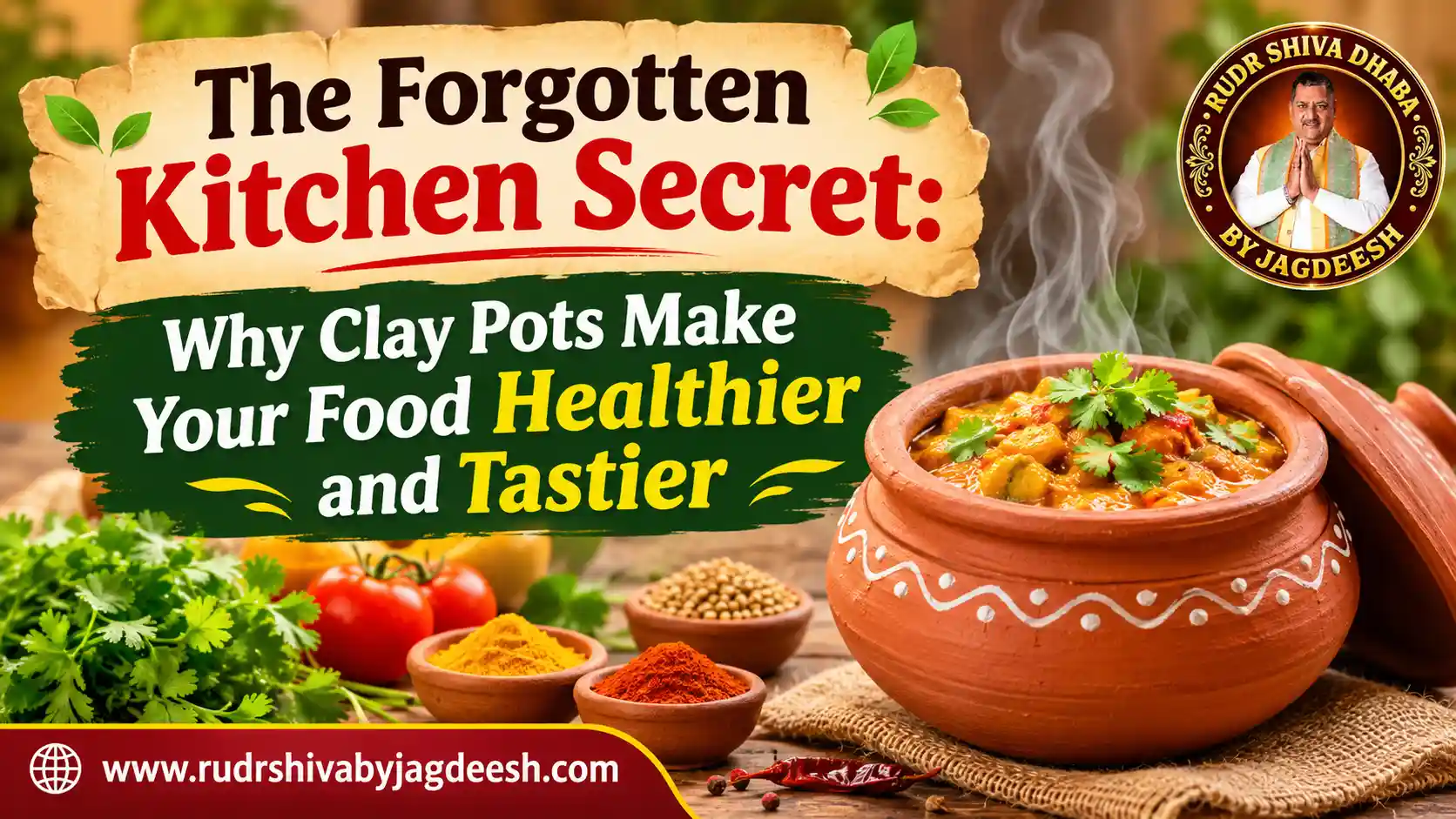
The Forgotten Kitchen Secret: Why Clay Pots Make Your Food Healthier and Tastier
Have you ever noticed how food cooked slowly in a traditional clay pot has a different kind of taste? The aroma feels deeper, the gravy becomes rich, and vegetables often turn wonderfully soft. Long before modern non-stick cookware and pressure cookers became common, Indian kitchens relied on earthen pots to prepare everyday meals.
Today, this traditional cooking method is attracting attention again. From slow-cooked dals to comforting vegetable curries, clay pots bring together an old-fashioned cooking technique and the simple pleasure of homemade food.
But what actually makes clay-pot cooking special? Is it only about flavour, or are there practical benefits too? Let's explore the forgotten kitchen secret.
Planning a food break during your journey? Discover Best Food on Yamuna Expressway - Rudr Shiva Dhaba By Jagdeesh, where you can explore pure vegetarian North Indian food and enjoy a comfortable dining stop near Vrindavan Cut.
The Magic Begins with Slow Cooking
One of the biggest differences between clay pots and many modern cooking utensils is how they handle heat.
Clay pots generally heat gradually and retain warmth. When used correctly, they support gentle, slow cooking rather than sudden high-temperature cooking. This gives ingredients more time to soften and allows flavours to develop together.
Think about a traditional dal or vegetable curry. Instead of rushing the cooking process, a slow simmer gives the spices, vegetables and other ingredients time to blend.
The result can be:
- Soft and tender vegetables
- A well-developed gravy
- A rich aroma from the spices
- A comforting, evenly cooked texture
Slow cooking does not automatically make a dish healthier, but it can make simple ingredients taste more satisfying.
You Like Also: Why Dal Makhani and Naan Remain a Favourite Comfort-Food Combination
Why Food Cooked in Clay Pots Tastes Different
Have you ever tasted a curry that seemed to have a deeper flavour even though it used familiar ingredients?
The cooking vessel can influence the final taste and texture. Clay pots are known for gradual heating and heat retention. These qualities can help food cook gently and reduce the need for constant high heat.
Depending on the recipe and pot, the food may retain more moisture during cooking. This can be particularly useful for dishes that benefit from a slow simmer.
A few examples include:
Dal: Slow cooking can help lentils become soft and allow spices to blend into the gravy.
Vegetable curry: Gentle heat can help vegetables cook evenly without becoming unnecessarily mushy.
Rice dishes: A carefully controlled cooking process can help rice develop a pleasant texture.
Traditional gravies: Longer cooking allows ingredients to come together and develop a fuller flavour.
The secret is not a special ingredient. It is the combination of time, temperature and technique.
Can Clay-Pot Cooking Make Food Healthier?
This is where it is important to separate traditional wisdom from scientific claims.
Clay pots do not magically add nutrients to food or make every dish healthier. However, the cooking method can influence how ingredients are prepared.
For example:
- Gentle cooking can help preserve the texture of many ingredients.
- Moist cooking may reduce the need for additional cooking oil in some recipes.
- Slow preparation can help soften beans, lentils and vegetables.
- Traditional recipes often use simple ingredients and balanced combinations of spices.
The nutritional value of a meal still depends mainly on its ingredients, portion size, cooking method and overall balance.
A vegetable curry cooked in a clay pot can still be high in oil or salt if the recipe uses too much. The pot itself is not a substitute for balanced cooking.
The Traditional Indian Connection: From Village Kitchens to Modern Dining
Clay cooking is deeply connected with India's food traditions.
In many homes and villages, earthen cookware was used for preparing rice, lentils, vegetables and other everyday dishes. These pots were valued for their practical cooking qualities and their connection with local food culture.
Even today, traditional serving and cooking vessels remain part of India's culinary identity.
Kulhads used for serving tea, earthen pots used for storing water and traditional handi-style cookware all remind us that food is not only about ingredients. The way we prepare and serve it also contributes to the experience.
Modern kitchens may have changed, but the appeal of traditional cooking has not disappeared.
Why Clay Pots Need the Right Care
Clay cookware is not automatically safe just because it is natural. The quality and manufacturing process matter.
Some traditional pottery may contain unsafe glaze materials. If pottery is improperly manufactured or contains lead in its glaze, harmful substances can potentially migrate into food, especially during cooking or storage.
Before using clay cookware, keep these points in mind:
- Choose pots specifically manufactured and tested for food use.
- Avoid decorative pottery that is not intended for cooking or serving food.
- Prefer products from reliable manufacturers who can provide food-safety information.
- Avoid damaged, cracked or poorly finished cookware.
- Follow the manufacturer's instructions for seasoning, heating and cleaning.
- Avoid sudden temperature changes, which can crack earthenware.
Never assume that brightly coloured or glazed traditional pottery is safe without checking its suitability for food contact.
A traditional cooking method is worth preserving only when it is practised safely.
Clay Pots vs Modern Cookware: What Is the Difference?
Both traditional and modern cookware have their place in today's kitchen. The right choice depends on the recipe, cooking time and convenience.
| Feature | Clay Pots | Modern Metal Cookware |
|---|---|---|
| Heating | Usually gradual | Often heats more quickly |
| Heat retention | Generally good | Depends on the material |
| Cooking style | Well suited to slow cooking | Suitable for many cooking styles |
| Maintenance | Needs careful handling | Often easier to maintain |
| Durability | Can crack if mishandled | Depends on the cookware |
| Cooking experience | Traditional and rustic | Convenient and versatile |
Neither option is universally better. A pressure cooker is useful when time is limited, while a suitable clay pot can be a wonderful choice for recipes that benefit from slow cooking.
The Secret Is Not Just the Pot—It Is the Cooking Technique
Here is something many people overlook: simply transferring food into a clay pot does not guarantee a better dish.
The quality of the final meal depends on several things working together.
Fresh ingredients: Fresh vegetables, good-quality lentils and properly stored spices make a difference.
Balanced seasoning: Spices should complement the ingredients instead of overpowering them.
Controlled heat: Clay cookware usually needs gradual heating and careful temperature management.
Enough cooking time: Some dishes need patience to develop their full flavour.
Good food hygiene: Clean utensils, safe ingredients and proper storage are essential regardless of the cookware.
In other words, the real secret of traditional cooking is a combination of good ingredients, patience and skill.
Enjoy Traditional Indian Food During Your Mathura–Vrindavan Journey
A journey through Mathura and Vrindavan is often filled with temple visits, family outings and long road trips. After spending time on the road, a satisfying vegetarian meal can make the break even more enjoyable.
If you are travelling along the Yamuna Expressway near Vrindavan Cut, you can consider Rudr Shiva by Jagdeesh for a pure vegetarian North Indian food stop.
The restaurant offers a range of vegetarian food options, including familiar North Indian favourites. Travellers and families can explore the menu and choose a meal that suits their preferences.
Whether you are travelling towards Mathura, visiting Vrindavan or returning from a temple visit, taking a comfortable food break is an important part of the journey.
Explore the menu and plan your visit:
Website: https://www.rudrshivabyjagdeesh.com/
Can You Bring the Clay-Pot Cooking Tradition Back Home?
Absolutely! You do not need a complicated kitchen or expensive equipment to appreciate traditional cooking.
If you want to try clay-pot cooking, start with a simple recipe such as dal or a vegetable curry. Choose a food-safe pot, follow its care instructions and allow the ingredients to cook gently.
Here are a few useful tips:
- Buy cookware specifically designed for food preparation.
- Read the manufacturer's instructions before first use.
- Heat the pot gradually instead of exposing it to sudden high temperatures.
- Use an appropriate heat source for the cookware.
- Clean and dry it properly after use.
- Store it carefully to prevent cracks and damage.
Start with a familiar recipe and notice how the cooking process changes the texture and aroma.
Final Thoughts: A Traditional Secret Worth Remembering
The charm of clay-pot cooking lies in its simplicity. It reminds us that delicious food does not always need complicated equipment or elaborate techniques. Sometimes, the right ingredients, gentle heat and a little patience are enough to create a memorable meal.
Clay pots are not miracle health products, but suitable food-safe cookware can offer a distinctive traditional cooking experience. Their ability to retain warmth and support gradual cooking makes them an interesting choice for many Indian recipes.
As modern kitchens continue to evolve, perhaps the best approach is not to choose between old and new methods, but to appreciate what each one does well.
Enjoy good food, travel comfortably and rediscover the flavours of traditional Indian cooking!
Visit Rudr Shiva by Jagdeesh near Vrindavan Cut on your next Yamuna Expressway journey.
Website: https://www.rudrshivabyjagdeesh.com/
Explore this also: The Secret Behind Braj’s Famous 56 Bhog & Its Food Traditions